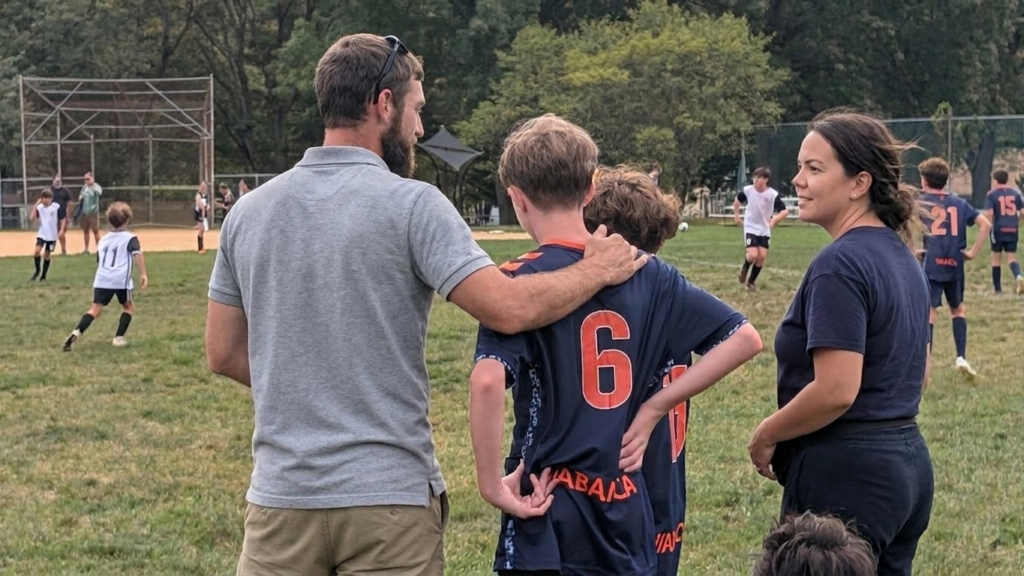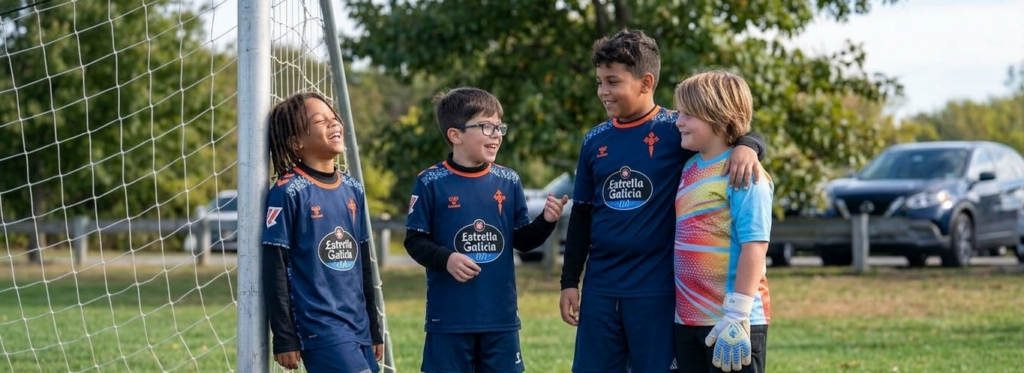
Development, Winning & Community
Over the past few years of trial and error, and through the experience of the Celta Academy in Spain and the academies around the world, we have a systemized plan of creating quality players, some that go on to play professionally. In each academy they have experienced three families of thought when it came to being part of a soccer organization; 1. was the organization there primarily as a development organization, 2. an organization that builds teams of talented kids to just win games, or an organization that is there to create a community of people who simply like being around each other. Most of the time it was a combination of the three but there always seem to be a primary thought. Our thought of development first has come from much research in child development.
Development – At the start of a child’s sporting time, parents are typically focused on how much fun their child is having with very little expectation of their child and even less about team wins and getting to know the other parents. This is the natural way to think and the best way a child will develop. Just watch how quickly they absorb the information around them at that age. If they develop a love for the game they will want to play it all the time and therefore develop quickly.
Winning – If a child then develops an aptitude for the game, typically a parent will start to look for places that win so their child can experience a winning team and hope to foster a competitive side in the child. The issue many times is the team was built of kids who play well individually and will continue to win for a period of time until training trumps talent. This is often where things change in the child’s brain. Thoughts like “Fun just became work’ and “If we don’t win what is wrong with us.” Unfortunately the family fell into the winning trap.
Community – If the parent does not see significant growth in their child but they themselves have connected with parents on a team, you will also see groups stay together because they like to hang out as a community.
All are acceptable schools of thought but only one will lead to a professional career and, in our belief, set a child on a path towards achieving duplicatable successful results.
As kids grow, their specific needs change and at each age level there is an emphasis on different types of development that if executed properly by experienced coaches, the results will be a winning team with a healthy attitude and a strong sense of community/chemistry. We lead with experienced coaches who select players of good personal quality, that will be both of the level of the team and positionally appropriate for the formations their team runs.
We do not lead with talent, meaning just because a child is technically talented he/she makes the team. We also do not lead with wins, meaning we don’t set up teams simply to score goals and win games, running off of the child’s natural abilities and not off of the experience they gain from listening to coaches. That isn’t to say we don’t win. It simply means, teams are set up to develop into consistently winning teams through experience, trial and error and not purely talent.
These guiding principles must be adopted by all parents and players coming to Celta Academy PA. This, the Spanish methodology of training and the Spanish style of play is what makes us unique in the area.
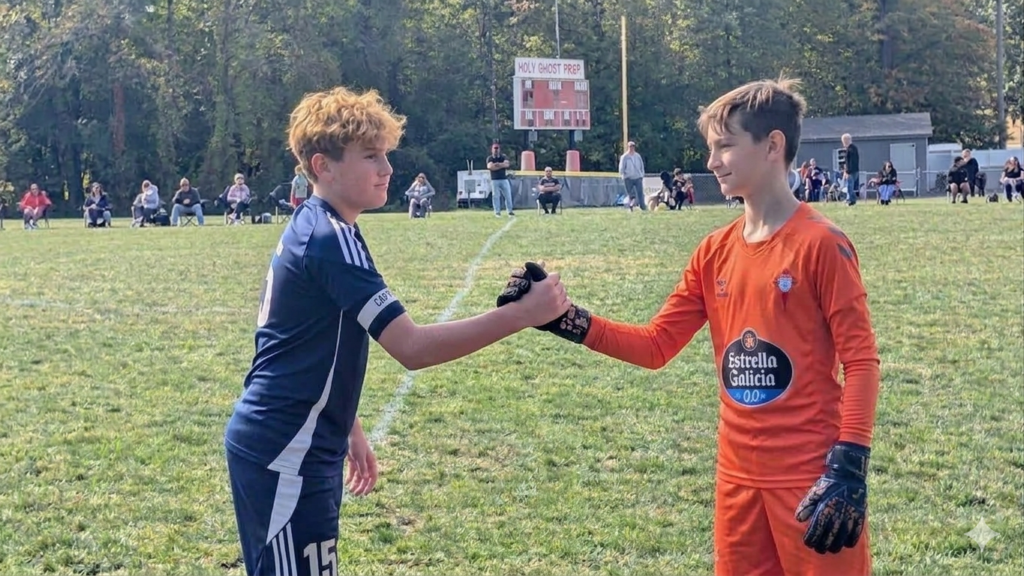
Understand the game, Compete with purpose, Represent the team with character
we believe great players are not simply trained. They are developed. Our players learn to understand the game, not just play it. Through the Spanish methodology of training, athletes develop the technical skill, tactical intelligence, and decision-making that define the modern game. A Celta player is curious, courageous on the ball, and always thinking one step ahead.
The five competencies of a Celta Player
Player development is evaluated through five core competencies that guide our training and help players understand their strengths and opportunities for growth
Technical
Mastery of the ball. Passing, receiving, dribbling, and striking with confidence and precision.
Tactical
Understanding the game. Players learn when, why, and where to make decisions on the field.
Physical
Developing speed, agility, balance, and endurance appropriate for each stage of growth.
Psychological
Confidence, resilience, focus, and the courage to take responsibility during the game.
Social
Respect for teammates, coaches, referees, and opponents while learning to lead and communicate.
Parent partnership
Our goal is to develop players who understand the game, compete with purpose, and grow as individuals.
When coaches, players, and parents share the same philosophy, the academy becomes more than a team environment. It becomes a place where young athletes can develop both as players and as people.
Our focus is on helping players understand the game, develop their skills, and grow in confidence. We ask parents to support this process by encouraging effort, patience, and a love for the game rather than focusing only on short-term results.